
Emergency Communications Center
About the ECC
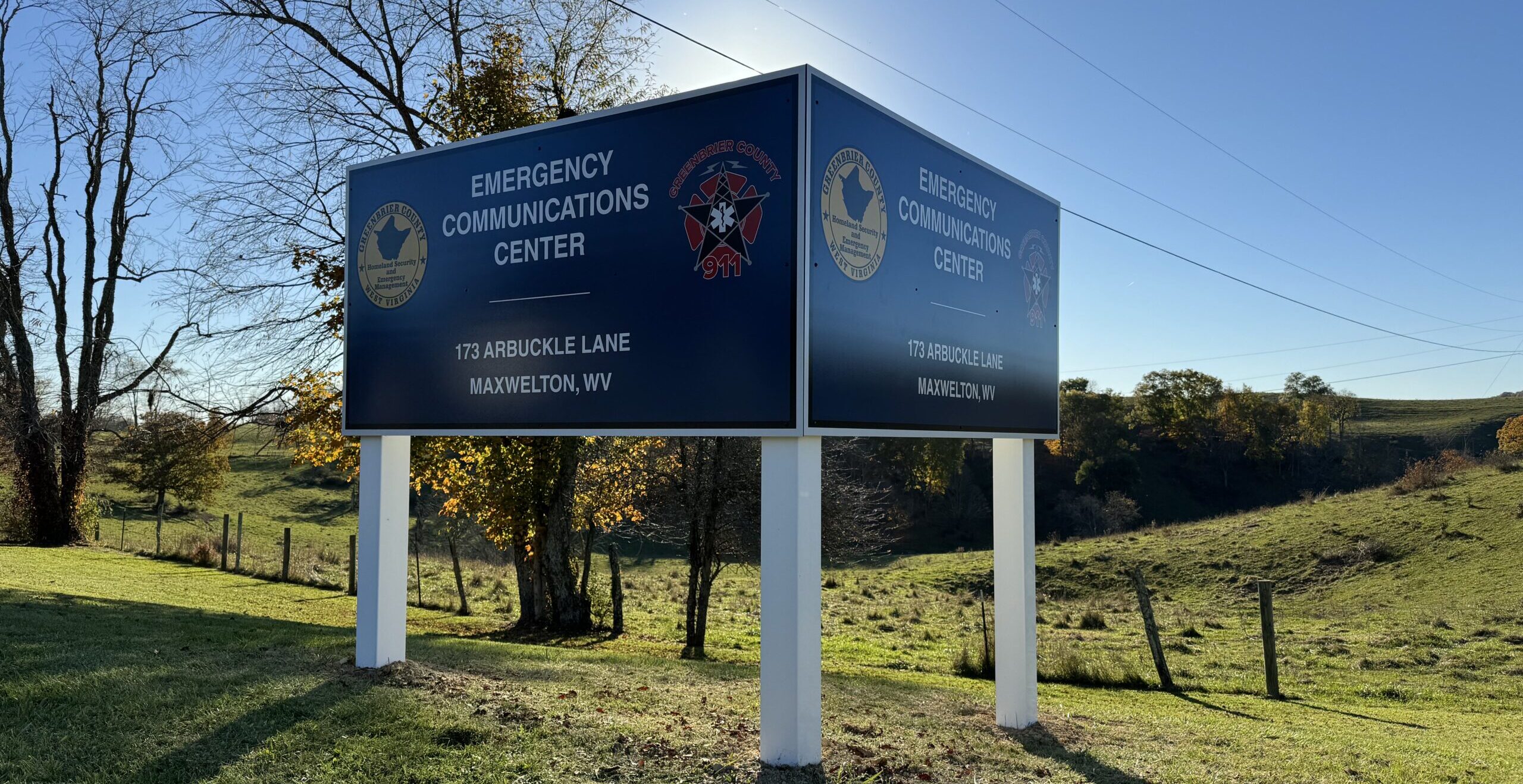
The mission of Greenbrier County Emergency Communications Center is to serve as the critical link between our citizens and public safety providers with the highest level of integrity. We are dedicated to supporting all public safety departments in their quest of protecting life, saving property and assisting the public.
The Greenbrier County Emergency Communications Center is staffed 24/7, 365 days a year. Telecommunicators are responsible for communicating with 9 Law Enforcement Agencies, 15 Fire Departments, and 3 EMS Agencies.
They also dispatch and make notifications to: Animal Control, Natural Resource Police, Towing/Wrecker Services, City/Municipal Governments, Public Works departments, Department of Highways, and Environmental Services.
The total average of Emergency calls that Telecommunicators handle in Greenbrier County is around 30,000-40,000 a year.
Frequently Asked Questions
What is 9-1-1?
9-1-1 is the number most people in the U.S. and some in International countries call to get help in a police, fire or medical emergency. In some places, you may be able to be connected with Poison Control by calling 9-1-1, but you should check with local officials in your area to make sure. A 9-1-1 call goes over dedicated networks to the appropriate 9-1-1 answering point (PSAP) for the caller’s location, and trained personnel then send the emergency help needed.
What is Enhanced 9-1-1
Enhanced 9-1-1, or E9-1-1, is a system which routes an emergency call to the appropriate 9-1-1 answering point (PSAP) for the caller’s location, AND automatically displays the caller’s phone number and address. The 9-1-1 call taker will typically ask the caller to verify the information, which appears on his or her computer screen. In most areas, phone number and location information is available for 9-1-1 calls made from a cellular/wireless phone.
When should you use 9-1-1?
9-1-1 is only to be used in emergency situations. An emergency is any situation that requires immediate assistance from the police/sheriff, the fire department or an ambulance. If you are ever in doubt of whether a situation is an emergency you should call 9-1-1. It’s better to be safe and let the 9-1-1 telecommunicator determine if you need emergency assistance.
How do I make a 9-1-1 call?
- In an emergency, dial 9-1-1 on your phone. You can use any kind of phone: landline, cellular/wireless, cordless.
- Stay calm and state your emergency.
- Speak loudly and clearly. Give the 9-1-1 telecommunicator your name, phone number and the address where the emergency is located.
- Answer the telecommunicator’s questions. Depending on the nature or severity of the 9-1-1 call, the telecommunicator may stay on the phone with you and give instructions until first responders arrive.
What if a 9-1-1 caller does not speak English?
When necessary, a 9-1-1 call taker can add an interpreter from an outside service to the line. A non-English speaking caller may hear a short conversation in English and some clicking sounds as the interpreter is added to the line.
What if a 9-1-1 caller is Deaf, or hearing/speech impaired?
9-1-1 telecommunicators are trained to answer emergency calls from persons who are deaf, deaf/blind, hard of hearing, or speech impaired.
If you use a TTY/TTD, you should:
- Stay calm, using your TTY dial 9-1-1.
- You may receive a quicker response from 9-11 by pressing any of the TTY keys a few times.
- Give the telecommunicator time to connect their TTY. If necessary, press the TTY keys again. The telecommunicator should answer and type “GA” for Go Ahead.
- Tell what type of service is needed-law enforcement, fire department or emergency medical services. Give your name, phone number, and the address where service is needed.
If you use a VRS (Video Relay Service) or IP (Internet Protocol) Relay, you should:
- Register and provide your address with the relay provider of your choice. Keep your address updated.
- Be aware that relay calls may take several minutes to connect. If you hang up, your call may not be connected to 9-1-1.
- Be prepared to provide your location information using an address, cross streets or landmarks, especially if you are not at the registered location.
- Your call may need to be transferred to reach the correct 9-1-1 center.
If you do not have a TTY/TTD or access to relay services, you should dial 9-1-1, preferably from a landline phone. With 9-1-1 calls made from a landline phone, the caller’s address is displayed on the telecommunicator’s screen. Do not hang up; keep the line open so that the telecommunicator can listen for background noise. If you must call from a cell phone, leave the line open. Calls from cell phones may display your approximate location.
Can you text 9-1-1?
Text to 9-1-1 is available at the Greenbrier County Emergency Communications Center. Text to 9-1-1 may not be available in some areas.
Please remember “Call when you can, text when you can’t.” Texting should only be used when you are unable to make a voice call to 9-1-1.
A few things to know if you need to text an emergency to 9-1-1:
- Text location information is not as robust as current location technology.
- The first thing 9-1-1 needs to know is location and type of assisstance is needed.
- Text in full words.
- Be prepared to answer questions and follow instructions from the telecommunicator.
- Like all text messages, messages can take longer to recieve, messages can get out of order or your message may not be recieved at all.
What happens after you call 9-1-1?
After the Emergency Communications Center recieves a 9-1-1 call, the telecommunicator will enter in all information of the emergency into a Computer Aided Dispatch (CAD) system. Then the telecommunicator will determine which agency law enforcement, fire department, or emergency medical services is to respond to the emergency. The telecommunicator communicates to the responding agency of all pertinent information acquired from the 9-1-1 caller prior.